Heathen Days View By H.L. Mencken

| Title | : | Heathen Days |
| Author | : | H.L. Mencken |
| Format | : | Paperback |
| Page | : | 320 pages |
| ISBN | : | 0801885329 |
With a style that combined biting sarcasm with the language of the free lunch counter, Henry Louis Mencken shook politics and politicians for nearly half a century Now, fifty years after Mencken s death, the Johns Hopkins University Press announces The Buncombe Collection, newly packaged editions of nine Mencken classics Happy Days, Heathen Days, Newspaper Days, Prejud With a style that combined biting sarcasm with the language of the free lunch counter, Henry Louis Mencken shook politics and politicians for nearly half a century Now, fifty years after Mencken s death, the Johns Hopkins University Press announces The Buncombe Collection, newly packaged editions of nine Mencken classics Happy Days, Heathen Days, Newspaper Days, Prejudices, Treatise on the Gods, On Politics, Thirty Five Years of Newspaper Work, Minority Report, and A Second Mencken Chrestomathy.In the third volume of his autobiography, H L Mencken covers a range of subjects, from Hoggie Unglebower, the best dog trainer in Christendom, to his visit to the Holy Land, where he looked for the ruins of Gomorrah
about Author
 Henry Louis H.L Mencken became one of the most influential and prolific journalists in America in the 1920s and 30s, writing about all the shams and con artists in the world He attacked chiropractors and the Ku Klux Klan, politicians and other journalists Most of all, he attacked Puritan morality He called Puritanism, the haunting fear that someone, somewhere, may be happy At the height o Henry Louis H.L Mencken became one of the most influential and prolific journalists in America in the 1920s and 30s, writing about all the shams and con artists in the world He attacked chiropractors and the Ku Klux Klan, politicians and other journalists Most of all, he attacked Puritan morality He called Puritanism, the haunting fear that someone, somewhere, may be happy At the height of his career, he edited and wrote for The American Mercury magazine and the Balti Sun newspaper, wrote a nationally syndicated newspaper column for the Chicago Tribune, and published two or three books every year His masterpiece was one of the few books he wrote about something he loved, a book called The American Language 1919 , a history and collection of American vernacular speech It included a translation of the Declaration of Independence into American English that began, When things get so balled up that the people of a country got to cut loose from some other country, and go it on their own hook, without asking no permission from nobody, excepting maybe God Almighty, then they ought to let everybody know why they done it, so that everybody can see they are not trying to put nothing over on nobody When asked what he would like for an epitaph, Mencken wrote, If, after I depart this vale, you ever remember me and have thought to please my ghost, forgive some sinner and wink your eye at some homely girl from American Public Media
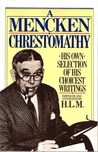
A Mencken Chrestomathy
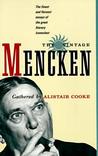
The Vintage Mencken
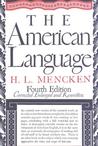
The American Language
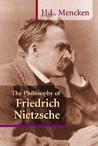
The Philosophy of Friedrich Nietzsche
Title: Heathen DaysPosted by:
Published :2016-04-05T16:50+01:00
With a style that combined biting sarcasm with the language of the free lunch counter, Henry Louis Mencken shook politics and politicians for nearly h
320 pagesH.L. Mencken
No comments:
Post a Comment